Archeology, Genetics

New aDNA Study Reveals Distinct Ancient North African Lineage

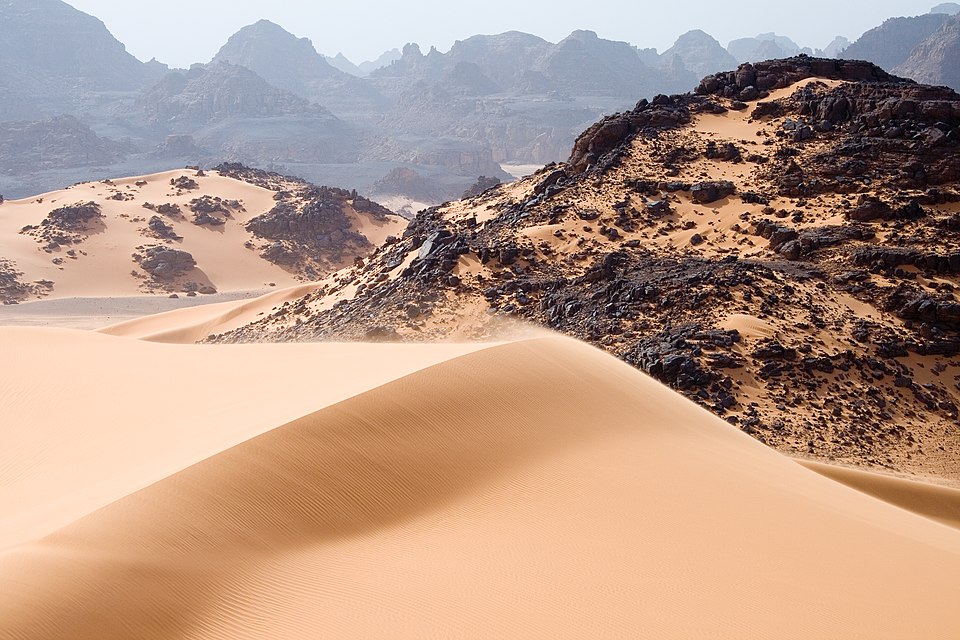
A study came out recently which identifies a previously unknown lineage of humans from North Africa which was present during the last wet Saharan period. This lineage is most closely related to North African foragers from the genetically distinctive Iberomaurisian culture, although it differed from them in some ways. It is more closely related to […]

Ecology, Genetics, Geography, Paleoecology

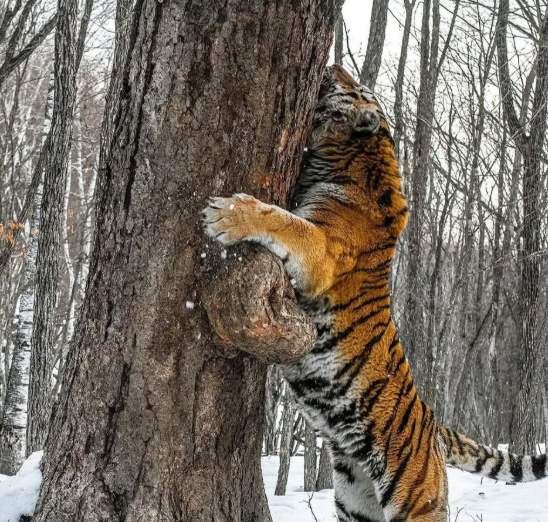
The Ice Age In The Land of The Tiger

See the forests in the pictures above? They are located in the Sikhote-Alin mountains in the Russian Far East. While undoubtedly scenic, a person not familiar with biodiversity in this part of the world may not understand what is so special about them. After all, they more or less just resemble forests in much of

Extinction, Paleoecology

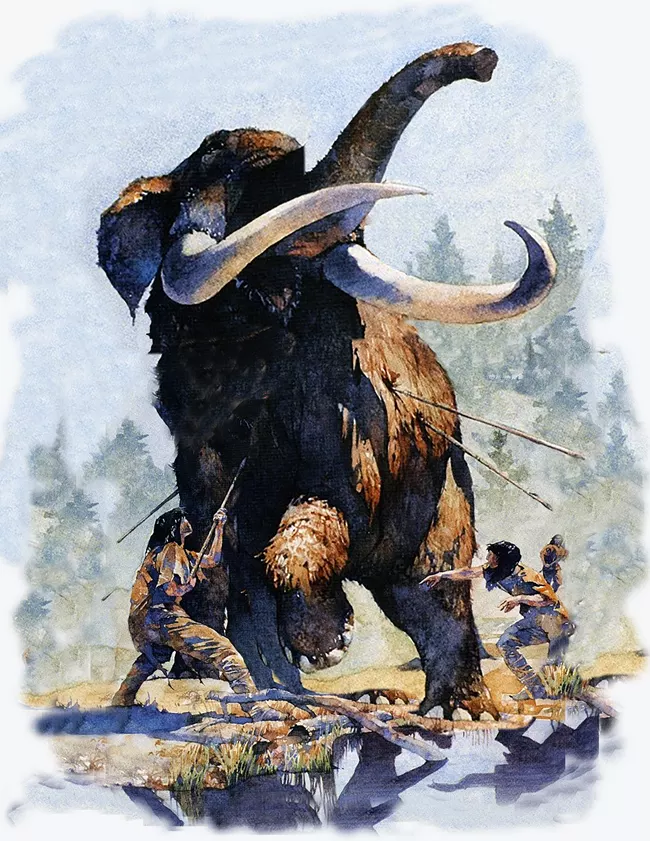
American Extinction Part 1: Climate Conundrum

Nowhere is more central to the subject of the Late Pleistocene extinctions than the Americas. It was based on observing the staggering and abrupt losses of charismatic North American megafauna that a geoscientist, Paul Martin, proposed his theory that the first humans to enter the New World were responsible for the elimination of most large-bodied

Archeology, Ecology, Extinction, Genetics, Geography, Paleoecology

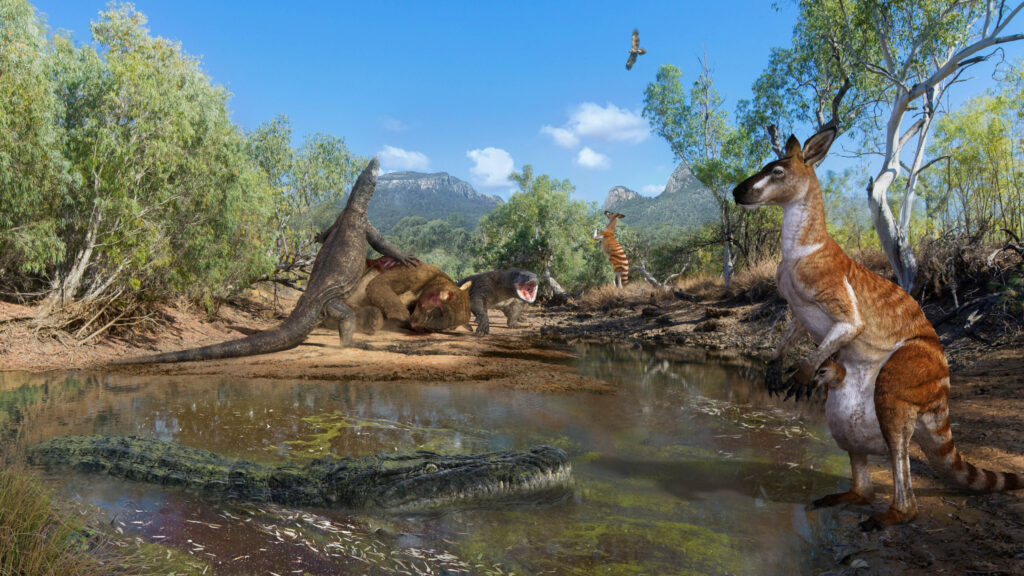
Death Down Under: A Deep Look At Australia’s Megafaunal Mystery

There are few places on the planet as distinctive as Australia. With its isolated geographical location and iconic landscapes, it captures the imagination of people the world over. Picturesque red deserts, glistening beaches, and Eucalyptus woodlands may provide its most characteristic scenery, but arcane rainforests, snow-covered mountains, and much more can be found on the

Ecology, Geography, Paleoecology

How Dry? Rethinking Last Glacial Maximum Aridity

The world was a very different place during the height of last ice age-known as the Last Glacial Maximum (LGM)-with very different climates, landscapes, and floral and faunal distributions compared to our current epoch, the Holocene. The exact chronology of this period varies according to the source but it is generally considered to be the

Genetics, Paleoecology

Late Pleistocene Phylogeny of Black and Short-Faced Bears

Genetic analysis can provide incredible and often counterintuitive discoveries about the relationships between and within species and their unique ancestral histories. A study was published 3 years ago which explored the genomes of three Pleistocene black bear genomes found in eDNA in central Mexico and compared them to genomes of black bears in the eastern,

Archeology, Ecology, Geography, Paleoecology

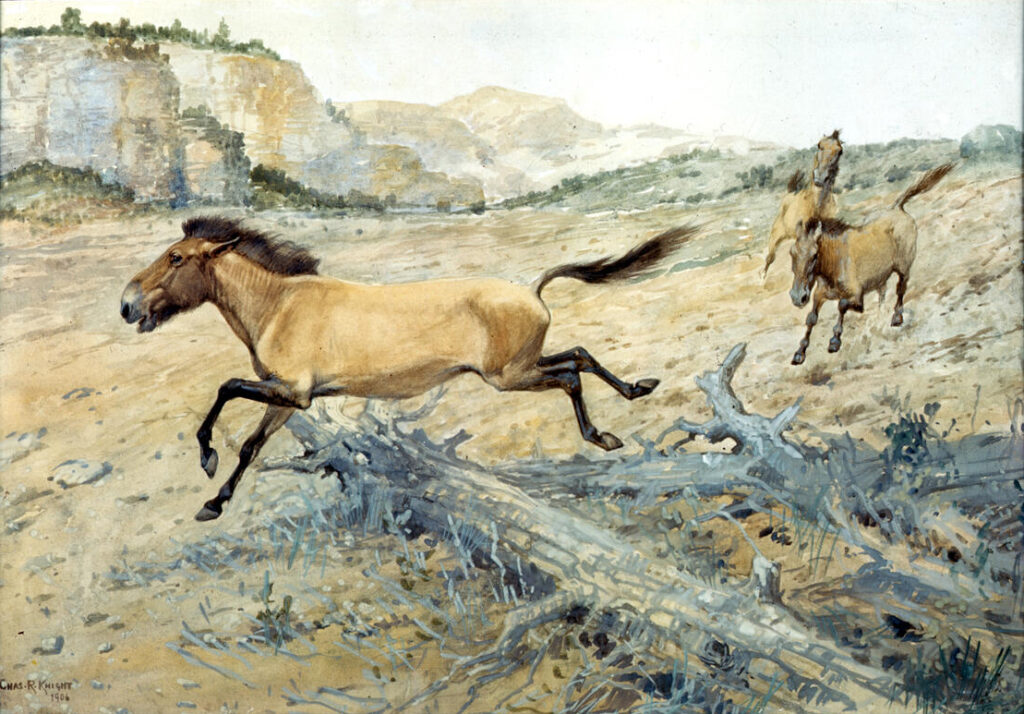
An Ice Age Relic in the Middle of Asia

If you’re well-versed in Pleistocene ecology, you’ve almost certainly heard about the steppe-tundra, also known as the mammoth steppe. During the Last Glacial Period, this biome covered vast parts of three continents: Europe, Asia, and North America. The name “steppe-tundra” refers to the fact that it contained a unique mixture of steppe and tundra species,

Scroll to Top
Verified by MonsterInsights