Granada is a well-known town in southern Spain. Like many other cities in Spain and southern Europe in general, it’s a popular tourist resort. Millions of people visit each year to see sites such as the famous Alhambra-a palace and fortress which is a legacy of the Moors. Not far from Granada is Cordoba, another town to the northwest with rich architecture and history, as well as the Mediterranean seaside locales of Malaga and Almeria to the southwest and southeast, respectively.
Very few of the tourists who visit Granada would imagine that woolly mammoths (Mammuthus primigenius) once lived in close proximity to the town. The typical hot Mediterranean weather, presence of palm and olive trees, and beaches only a few dozen miles to the south mean that no one would normally consider the possibility that these cold-loving beasts once called the area home. Yet, it’s a reality.
In fact, not only did woolly mammoths once live in southern Spain, they also appear to have made it to southern Italy, Shandong in central China, and southern Virginia. So what on Earth were these animals, so emblematic of ice ages and normally associated with frigid climates and the far north, actually doing in these now relatively balmy locations? Could it really have been that much colder? Or were the animals more tolerant of warmth than often thought? What were their paleoenvironments like?
These questions, and others, will be the focus of today’s post. Join us as we explore the habitats of the world’s most southerly woolly mammoths.
Padul, Spain
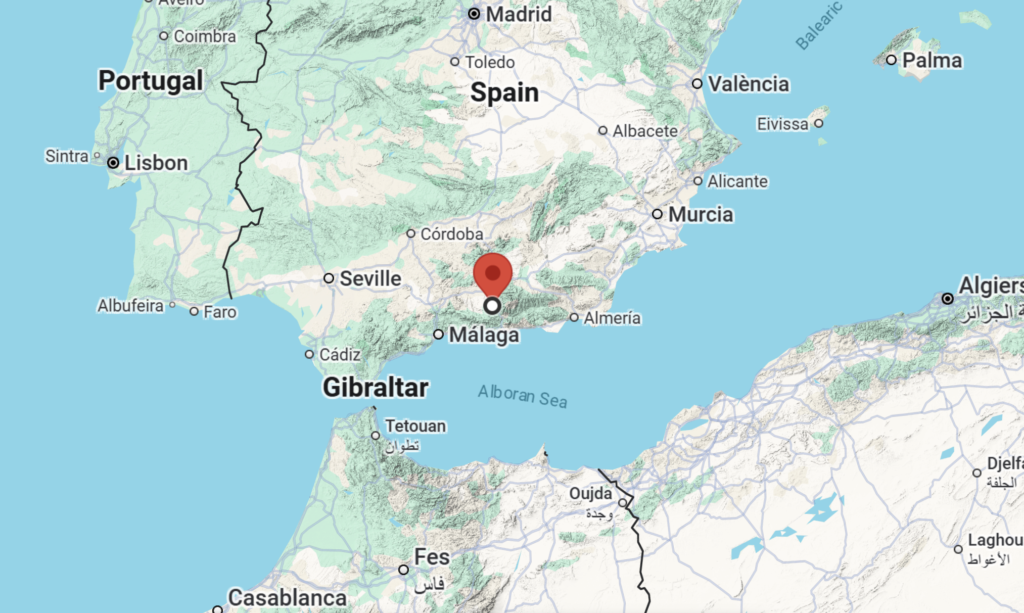
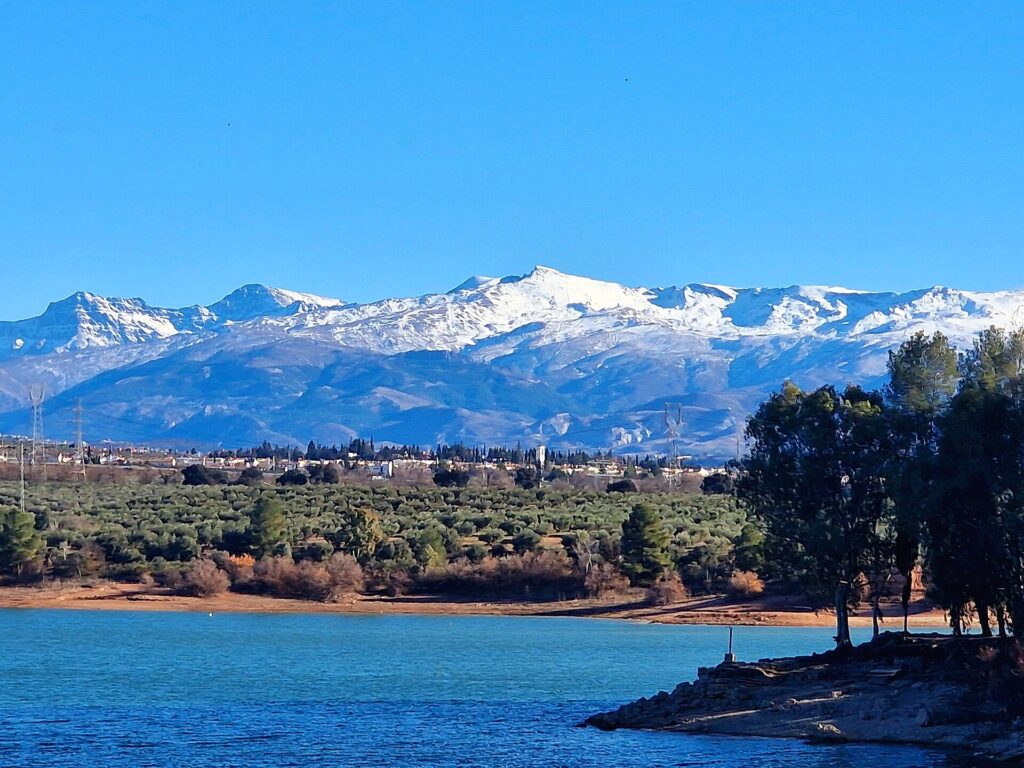
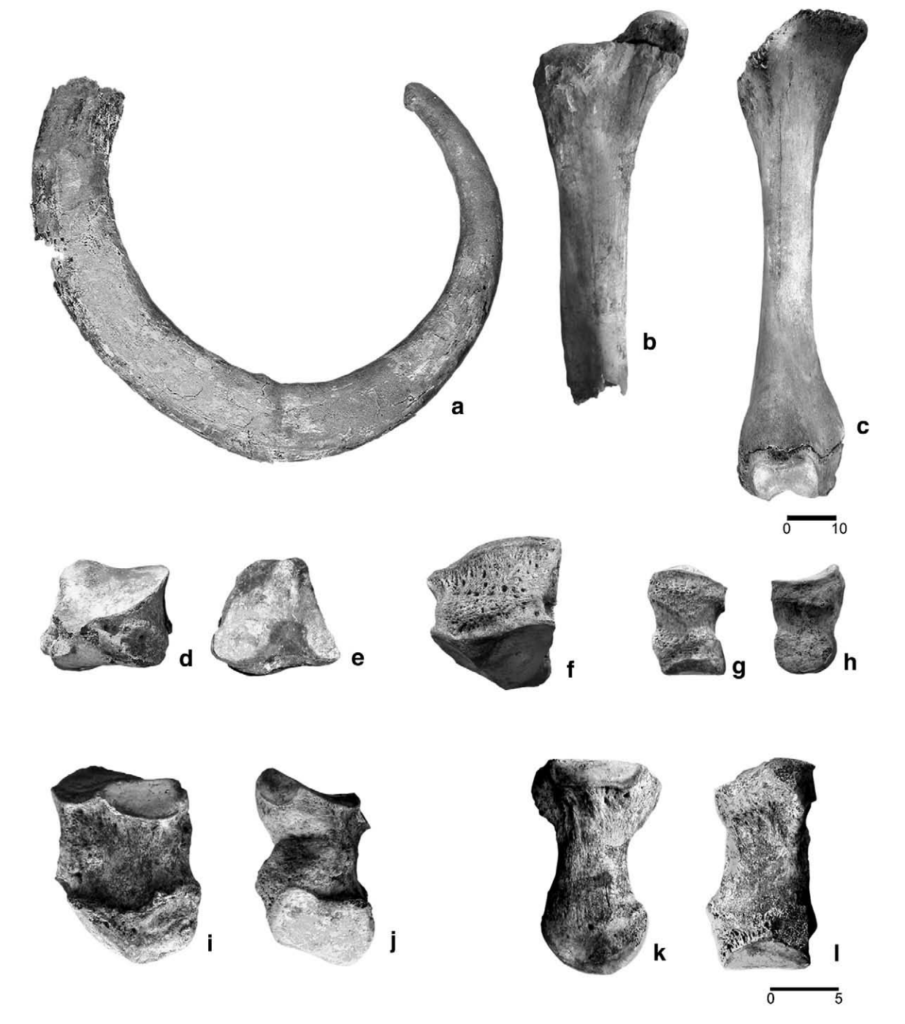
Woolly mammoth fossils from Late Pleistocene Spain are not unusual. However, these typically come from northern as opposed to southern Spain. Less than 10 miles from the center of Granada lies the site of Padul (37° N), a bog at the edge of the Sierra Nevada mountain range where the bones of woolly mammoths dating to the Late Pleistocene have been recovered. These mammoths lived between 30 and 40 thousand years ago in a rather dry, steppe-like environment.
The fact that they made it this far south is extremely remarkable: Padul is less than 20 miles (32 km) away from the Mediterranean coast and only 115 miles (185 km) away from the northern coast of Africa in Morocco. It may be tempting to speculate that these woolly mammoths belonged to an unsually warm-adapted ecotype. However, Álvarez-Lao et al. (2009) indicate that the woolly mammoth remains from Padul also do not differ morphometrically from other European specimens.
Interestingly, however, one study by García-Alix et al. (2012) uses isotopic analysis to speculate that these mammoths may not have lived most of their lives in the Padul area but rather elsewhere, most likely somewhere in the southwestern Iberian peninsula. This is a bit ironic, as we might expect that if the Padul mammoths came from anywhere else, it’d probably have been from somewhere further north.
The study cautiously estimated that the paleoenvironment in that speculative “homeland” in SW Iberia may have had an annual mean temperature between 9-11°C, which the authors liken to northern Denmark and southern Sweden. This means that the climate was cool at the time but still much warmer than the environments in central Europe, northern Asia, and Alaska that other woolly mammoths occupied at the time.
However, the isotopic analysis also indicates that the animals lived in an environment that was very dry, much drier than the environments of mammoths further north in Europe. Importantly, it was also seemingly drier and warmer than Padul itself would have been at the time, as the latter is a wetland located directly adjacent to the Sierra Nevada mountains. Could it be that they were conducting seasonal migrations, wherein they escaped from the (relative) summer heat and aridity in the proposed homeland in southwestern Iberia? Padul, being a bog located immediately adjacent to a mountain range could have been the perfect refuge.
More research is needed but this is undoubtedly a fascinating story.
Cardamone, Italy
Cardamone is a cave near the town of Lecce in the southeastern Italian province of Apulia. At 40° N, it’s further north than Padul in Spain is but is still remarkable geographically as it’s closer to the Mediterranean coast, being barely a few miles away from the Adriatic. An interesting mixture of cold glacial and temperate fauna has been found in the cave deposits. Woolly mammoths and woolly rhinoceros (Coelodonta antiquitatis) are present as are aurochs (Bos primigenius) and red deer (Cervus elaphus). Other animals found include the horse, red fox, cave hyena, wolf, and rabbit. This may have been an ecotone (transitional area) where the mammoth steppe fauna-which may have migrated from the east-mingled with the local temperate Mediterranean creatures.
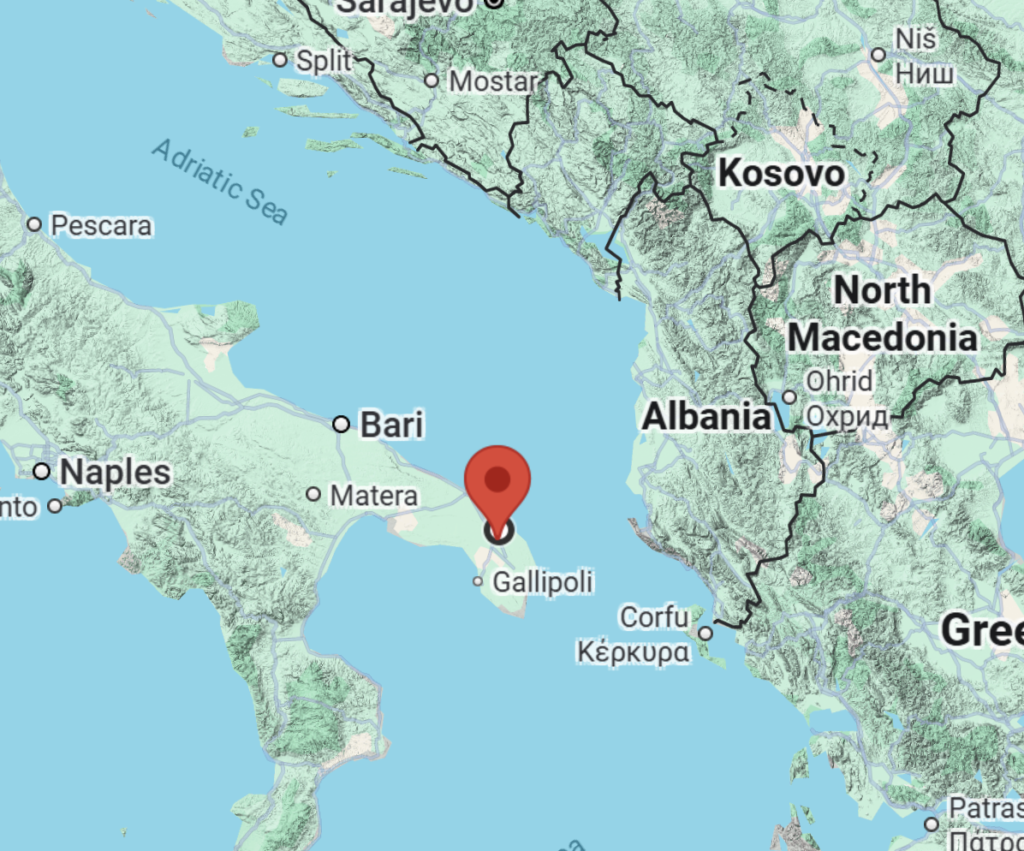
There is an absence of a few temperate taxa such as Equus hydruntinus (European wild ass) and Dama dama (fallow deer) which Rustioni et al. (2003) use, in conjunction with the presence of the cold-adapted fauna mentioned above, to tentatively date the Cardamone assemblage to the Last Glacial Maximum 22-18 thousand years ago as it is widely agreed that these species disappeared from the region before then. However, the authors fail to note that cave hyenas (Crocuta speleaea), who were also present in the assemblage, are considered to have disappeared from Europe prior to the LGM. This raises the possibility that the assemblage predates the LGM. Radiocarbon dating may come in handy to see what time period(s) the animals actually lived in.
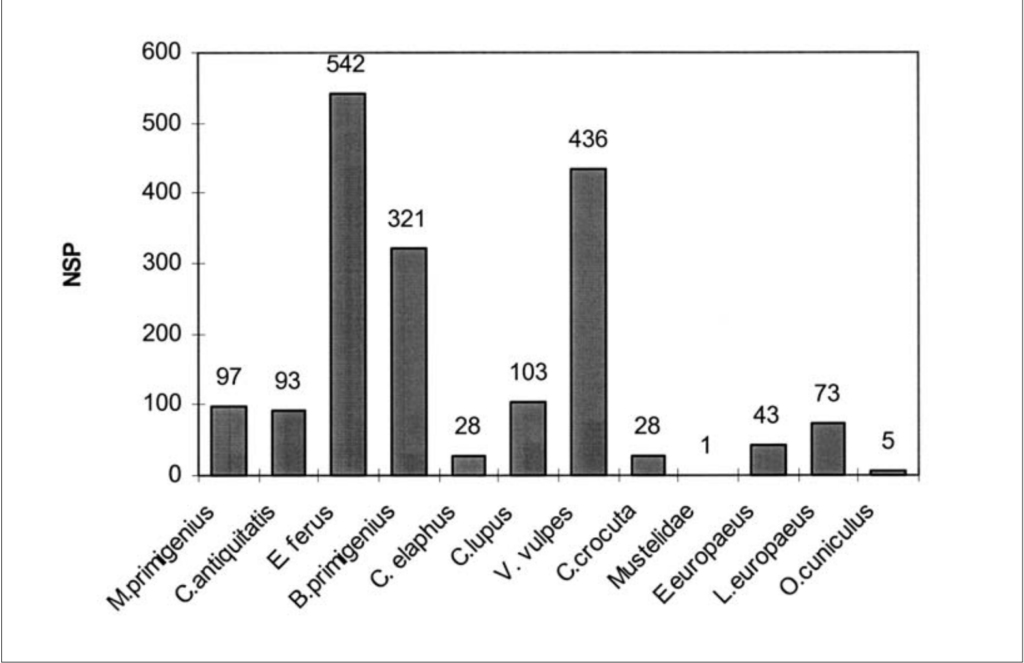
As remains of mammoth steppe fauna are rare or absent in most parts of Italy, it is very intriguing that this site in southeastern Italy seems to host them in abundance. The authors speculate that these creatures may have arrived here from further east, specifically the Balkan peninsula which was probably colder. An exposed plain along the Adriatic Sea may have facilitated movement of these animals.
Some studies have indicated that many woolly mammoths engaged in migrations. There is no information on whether these animals lived in the Cardamone area year-round or engaged in seasonal migrations (which, in this case, may involve the Balkans). It’s unlikely that southeast Italy was ever especially cold, so the possibility does need to be considered and research conducted into it. If it turns out that residence was permanent, it could imply a degree of relative warmth tolerance by traditional mammoth steppe fauna-at least amongst the southernmost populations.
Ji’nan, China
Moving to the other side of Eurasia, woolly mammoths appear to have made it as far south as Ji’nan, the capital of Shandong province in central China at 36.4° N. A study by Takahashi et al. (2007) describe a molar that was identified as belonging to the species, making it the southernmost record of woolly mammoths anywhere in the world. It was dated to 33,150 radiocarbon years before present, which would translate to about 37,500 calendar years BP.


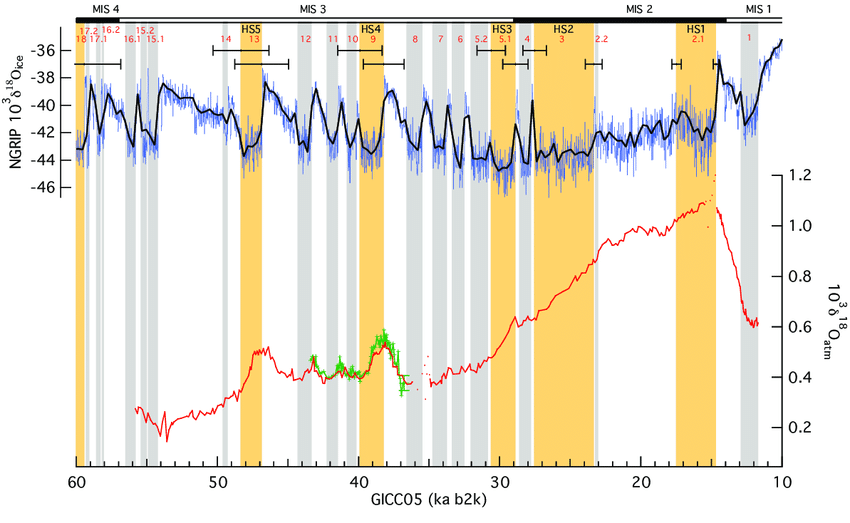
Chinese paleoenvironment and climate during the period between 40 and 30 thousand years ago, which falls under Marine Isotope Stage 3, is poorly understood but in general seems to not have been particularly steppic, cold, or dry. However, China was notably affected by millennial-scale fluctuations in climate linked to changes in the faraway North Atlantic. Greenland stadials are associated with weakened summer monsoons (which bring warm, wet weather) and strengthened winter monsoons (which bring cold, dry weather) over East Asia. The Takahashi study suggests that the southwards advance of the woolly mammoth to Ji’nan may have been enabled by a brief interval of associated with a strong winter monsoon.
However, this interpretation may be problematic. At least based on the graph below of Greenlandic data, there weren’t particularly cold conditions at around 37,500 years BP (which is approximately how old the mammoth remains would be when converted from radiocarbon to calendar years). If anything, it’s the opposite. It’s possible that the dating of the mammoth molar needs to be refined, or that the southerly presence of the mammoth may not have depended on cold and dry conditions in that part of China.
We don’t know if the Ji’nan mammoth was a permanent resident or migrated from elsewhere. We may speculate that the animal was either an isolated vagrant or perhaps engaged in seasonal trips to the area, possibly coming there to graze from a different region to the north where forage may have become scarce during the longer, colder winters. In that case, the presence of the mammoth may not necessarily be indicative of year-round cold temperatures in Ji’nan at the time.
Saltville, Virginia, USA
In southern Virginia lies the Saltville Valley within the Appalachian mountains at 36.5° N, which has yielded a number of megafaunal remains from the Late Pleistocene. These include one short-faced bear specimen (Arctodus simus), one reindeer (Rangifer tarandus), a stag-moose (Cervalces scotti), woodland muskox (Bootherium bambifrons), mastodon (Mammut americanum), horse (Equus sp.), Jefferson’s ground sloth (Megalonyx jeffersonii), and, finally, mammoth (Mammuthus sp.).
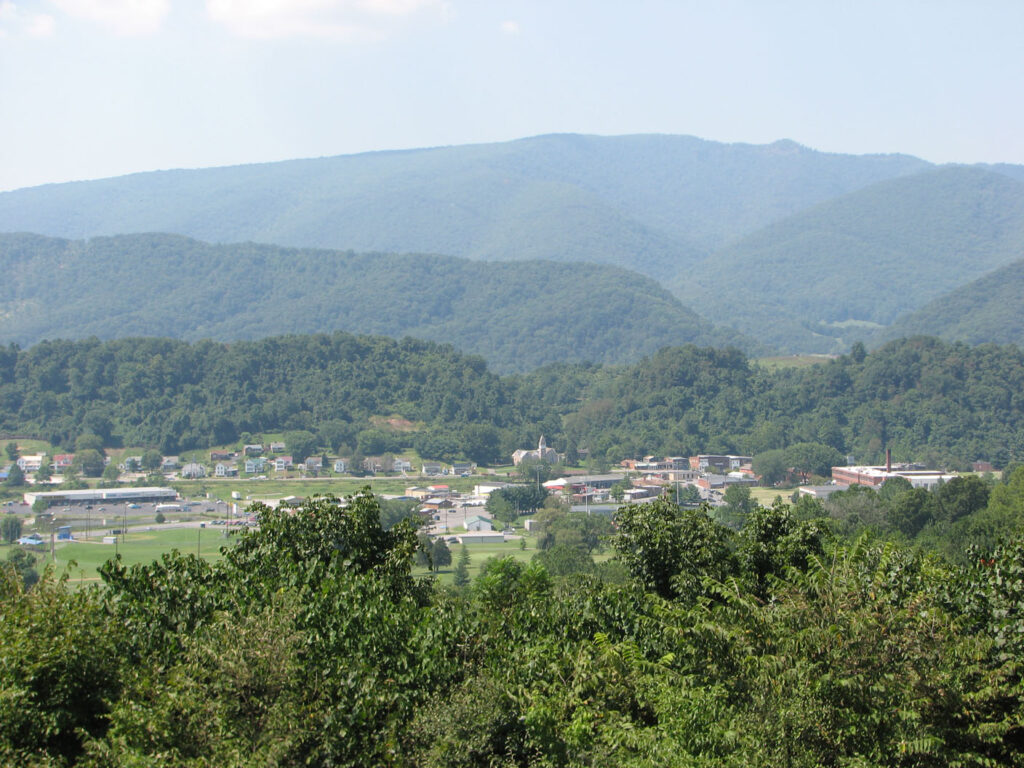
These animals lived in a moist “spruce parkland”. This was a common type of environment in Pleistocene North America where abundant spruce and other boreal trees existed alongside substantial open vegetation such as grasses, forbs, and sedges. The prevalence of trees separates spruce parkland from tundra and mammoth steppe environs while the large component of non-arboreal plants distinguishes it from true forests. At Saltville, hardwood trees were present as well. The valley bottom was poorly drained and marshy. C4 vegetation, characteristic of warmer climates, was entirely absent.
The mammoths, whose remains appear to have been heavily scavenged by predators, were described initially in a paper by Schubert and Wallace (2009) as woolly mammoths (Mammuthus primigenius) but then were designated afterwards in the same paper as Mammuthus sp., meaning their species-level identification was left ambiguous. Making a distinction is important as there were two species of mammoth present in North America at the time-woolly mammoths and Columbian mammoths (Mammuthus columbi)-so mammoths at a given locale could have been either, or hybrids of the two as both were known to interbreed frequently.
Still, the presence of other cold or cool-adapted fauna in Saltville such as reindeer, stag-moose, and woodland muskox along with the reconstructed spruce parkland with no C4 vegetation indicates that conditions were on the colder side, albeit not exceedingly so as hardwood trees were also present. This is indicative of an environment that was cooler than what Columbian mammoths were typically associated with but within the range for woolly mammoths, which suggests at least some of the mammoths at Saltville may have been of the latter variety. Genetic testing is likely needed to definitively determine this.
Again, migration has to be considered. It’s not yet known if the woolly mammoths at Saltville lived in the region year-round or if they engaged in long-distance migration from elsewhere. Given the mountainous topography of the region (Appalachians), it’s also possible that migrations, if they occurred, were more local: they could have left the valley and moved to nearby higher elevations when it got too warm, such as during summer. However, this is speculative on my part.
Other Notable Mentions
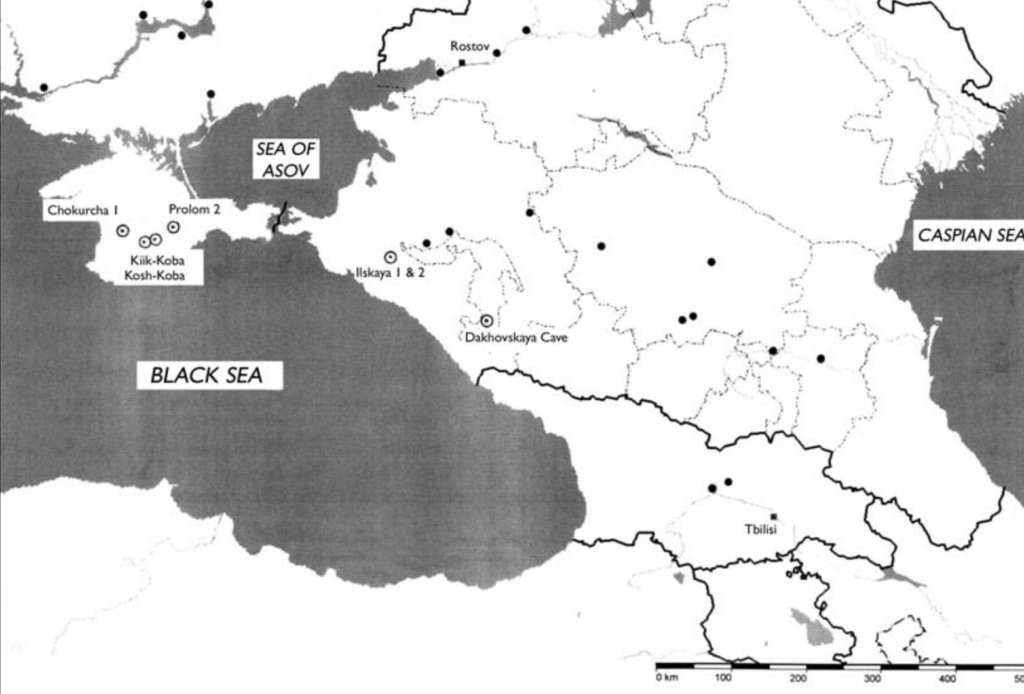
Mammoths are known from the Caucasus region. Most of these are from the northern Caucasus (Ciscaucasia), although it seems a few mammoths penetrated into the southern Caucasus (Transcaucasia) as seen by remains from Gori near Tbilisi in Georgia at 41°59′N. The mountains generally appear to have been an effective barrier to southward dispersal in this region.
In Central Asia, mammoths appear to have not made it very far south. Fossils have been described from the area around Almaty at 43°10′N, which appears to represent the southernmost advance. It seems that the presence of semi-desert and desert in Central Asia limited the presence of woolly mammoth to northern Kazakhstan and the Almaty region, the latter being more mountainous and hence less arid than the lower lying steppes.
Lessons
There is a lot to learn about woolly mammoths, and by extension other animals, by looking at their southernmost distributions. First of all, it is clear that these animals had a very broad range and were highly adaptable. Characterizing woolly mammoths as strictly being adapted to very dry and cold environments would not be entirely accurate. None of the areas analyzed here were especially frigid even when the animals lived there.
As for the stereotype of them being adapted to very arid landscapes, their presence at Saltville, as well as other areas they were known to inhabit such as the Great Lakes region and southeastern Russia, speaks against this. Deserts and semi-deserts prevented the mammoths from reaching as far south in Central Asia as they did in Western Europe, East Asia, and North America. Even the mammoths at Padul, Spain were ultimately found in a bog, possibly escaping aridity in another part of Iberia.
While their presence in such southerly locales does indicate they weren’t exclusively restricted to bitterly cold climates, it’s important not to go too far in the opposite direction and cease to perceive of them as animals of the cold, which they obviously still were. Due to their known tendency to migrate, it’s inherently hard to get a precise measure of their temperature tolerance based on fossil locations anyway-I’d bet that the woolly mammoths in central China did come from further north for example. This problem can be applied to extinct animals more broadly-their climatic niches are, at least for now, murky due to a variety of complex factors such as seasonal migrations.
References
Álvarez-Lao, D. J., Kahlke, R.-D., García, N., & Mol, D. (2009). The Padul mammoth finds — On the southernmost record of Mammuthus primigenius in Europe and its southern spread during the Late Pleistocene. Palaeogeography, Palaeoclimatology, Palaeoecology, 278(1-4), 57–70. https://doi.org/10.1016/j.palaeo.2009.04.011
Baryshnikov, G. (2003). Mammuthus primigenius from the Crimea and the Caucasus. Deinsea, 9(1), 41-56.
García-Alix, A., Delgado Huertas, A., & Martín Suárez, E. (2012). Unravelling the Late Pleistocene habitat of the southernmost woolly mammoths in Europe. Quaternary Science Reviews, 32, 75–85. https://doi.org/10.1016/j.quascirev.2011.11.007
Kowalik, N., Anczkiewicz, R., Wolfgang Müller, Christoph Spötl, Luca Bondioli, Nava, A., Wojtal, P., Jarosław Wilczyński, Koziarska, M., & Milena Matyszczak. (2023). Revealing seasonal woolly mammoth migration with spatially-resolved trace element, Sr and O isotopic records of molar enamel. Quaternary Science Reviews, 306, 108036–108036. https://doi.org/10.1016/j.quascirev.2023.108036
Rustioni, M., Ferretti, M. P., Mazza, P., Pavia, M., & Varola, A. (2003). The vertebrate fauna from Cardamone (Apulia, southern Italy): an example of Mediterranean mammoth fauna. Deinsea, 9(1), 395–404. https://natuurtijdschriften.nl/pub/538693
Schubert, B. W., & Wallace, S. C. (2009). Late Pleistocene giant short-faced bears, mammoths, and large carcass scavenging in the Saltville Valley of Virginia, USA. Boreas, 38(3), 482–492. https://doi.org/10.1111/j.1502-3885.2009.00090.x
Stuart, A. J., & Lister, A. M. (2014). New radiocarbon evidence on the extirpation of the spotted hyaena (Crocuta crocuta (Erxl.)) in northern Eurasia. Quaternary Science Reviews, 96, 108–116. https://doi.org/10.1016/j.quascirev.2013.10.010
Sun, Y., Clemens, S. C., Morrill, C., Lin, X., Wang, X., & An, Z. (2011). Influence of Atlantic meridional overturning circulation on the East Asian winter monsoon. Nature Geoscience, 5(1), 46–49. https://doi.org/10.1038/ngeo1326
Takahashi, K., Wei, G., Uno, H., Yoneda, M., Jin, C., Sun, C., Zhang, S., & Zhong, B. (2007). AMS 14C chronology of the world’s southernmost woolly mammoth (Mammuthus primigenius Blum.). Quaternary Science Reviews, 26(7-8), 954–957. https://doi.org/10.1016/j.quascirev.2006.12.001
Wooller, M. J., Bataille, C., Druckenmiller, P., Erickson, G. M., Groves, P., Haubenstock, N., Howe, T., Irrgeher, J., Mann, D., Moon, K., Potter, B. A., Prohaska, T., Rasic, J., Reuther, J., Shapiro, B., Spaleta, K. J., & Willis, A. D. (2021). Lifetime mobility of an Arctic woolly mammoth. Science, 373(6556), 806–808. https://doi.org/10.1126/science.abg1134
Zhao, Y., Yu, Z., Herzschuh, U., Yang, B., Zhao, H., Fang, K., Li, H., & Li, Q. (2014). Vegetation and climate change during Marine Isotope Stage 3 in China. Chinese Science Bulletin, 59(33), 4444–4455. https://doi.org/10.1007/s11434-014-0611-0
- googlesitekit-end-of-content[↩]